

Engineering Matter-ready Home Automation Solutions with Reusable Blueprints
The smart home solutions industry has been maturing rapidly over time with the integration of AI and Matter…
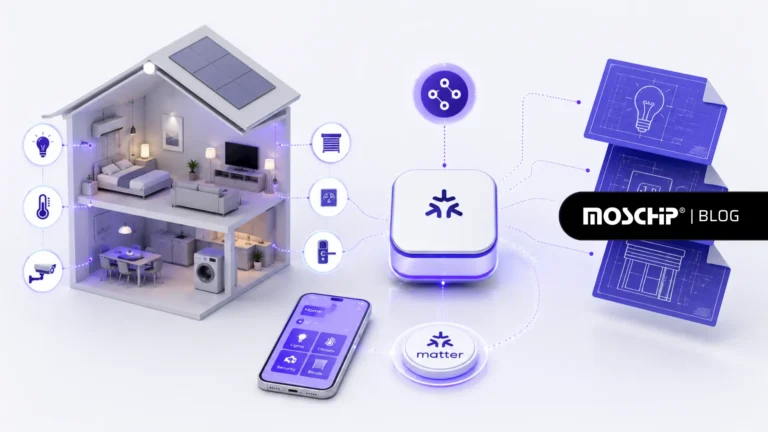
The smart home solutions industry has been maturing rapidly over time with the integration of AI and Matter…
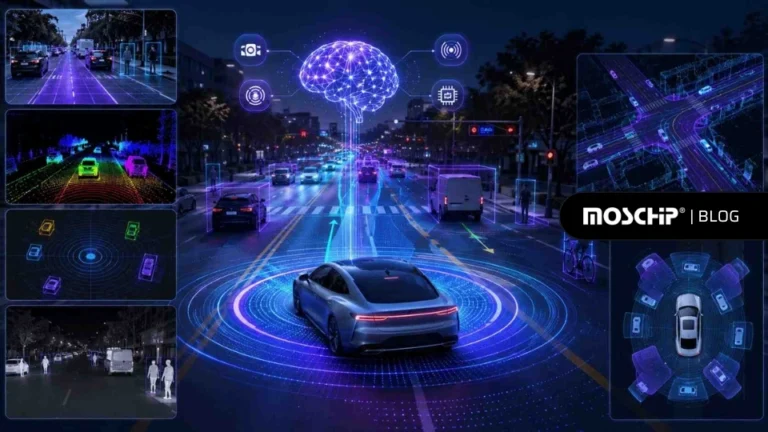
For over a decade, ADAS has continually evolved with its focus on improving perception…
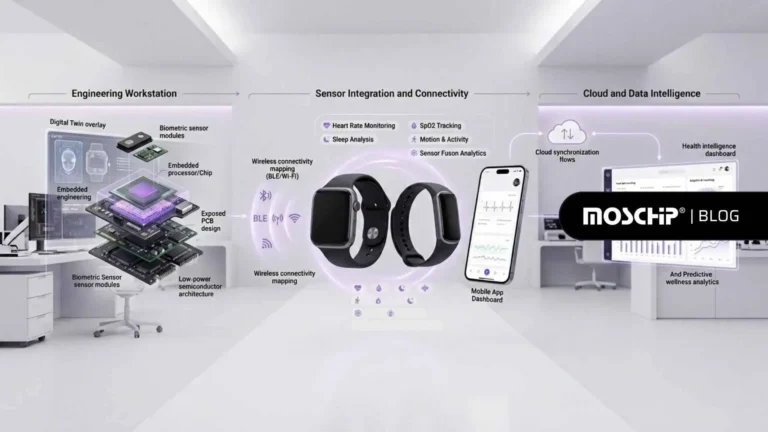
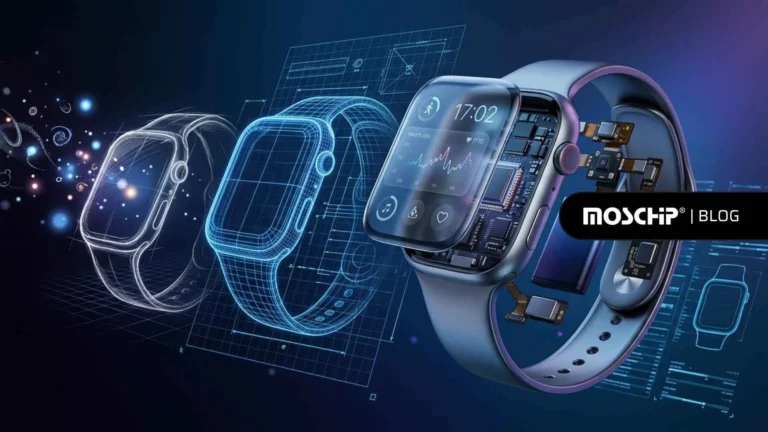
The next generation of wearables will not be defined by sensors, battery life or connectivity.
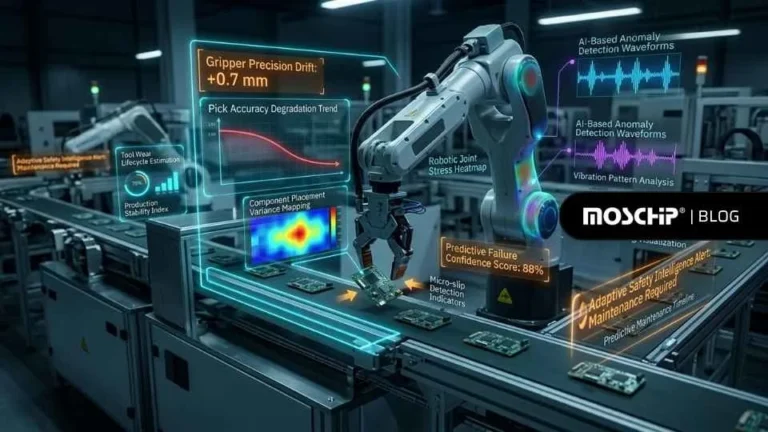
At 1:49 am, during a night shift in a factory, a robotic pick-and-place arm, running on line-2, is feeding components…

You are on mile 20 in a marathon; you have made good progress, but your body? Well, it’s feeling fatigued…

Most AI systems today are still built with a familiar mindset. Train a model, deploy it on the infrastructure and optimize…
In the age of connected devices, where time-to-market and seamless user experience define product success, engineering is no longer…

I have always thought that a surveillance system is only as good as its ability to quickly turn vision into timely insights…

Today’s wearables sense and notify while tomorrow’s wearables reason and adapt. Agentic AI enables a layered intelligence model where sensing, near-edge reasoning, and cloud-based agents work together to deliver proactive, personalized outcomes. This marks the transition from threshold-driven tracking to continuous, context-aware companionship…
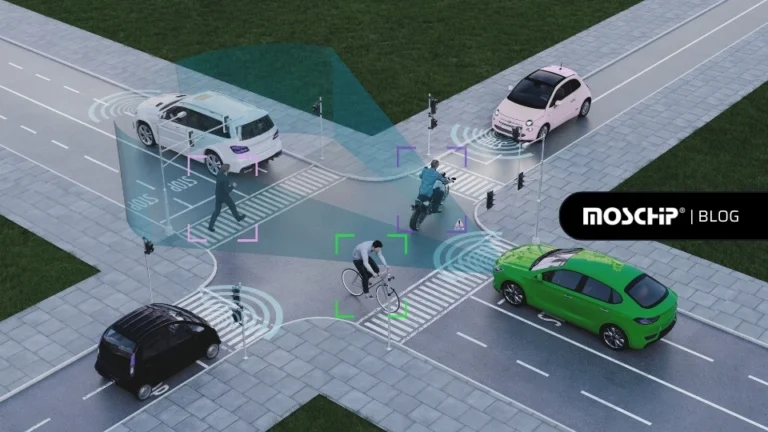
Sensor fusion combines data from cameras, LiDAR, RADAR, and other sensors to help vehicles perceive their surroundings…
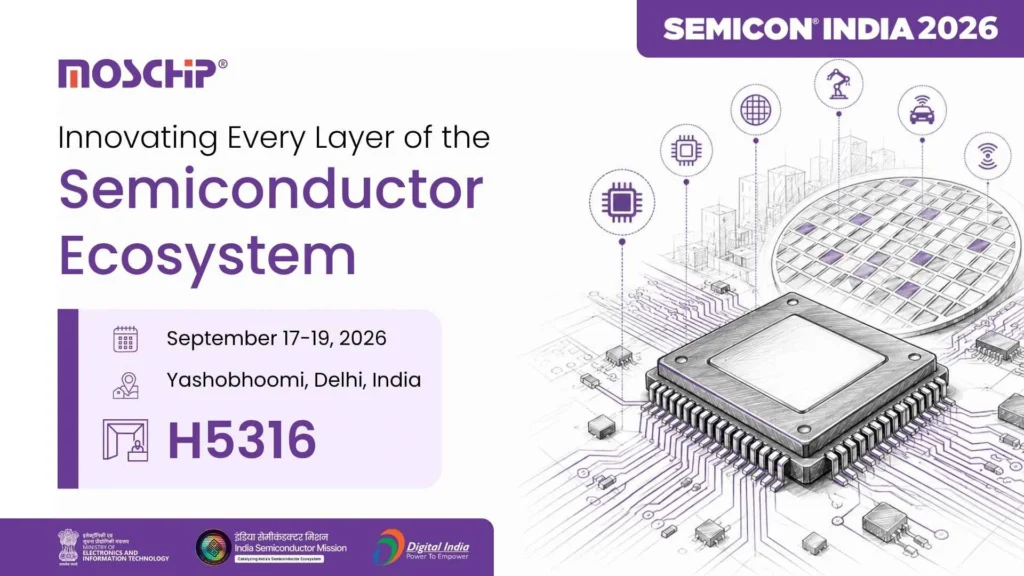
Join us at India’s premier semiconductor ecosystem event – SEMICON India 2026 to explore our comprehensive...
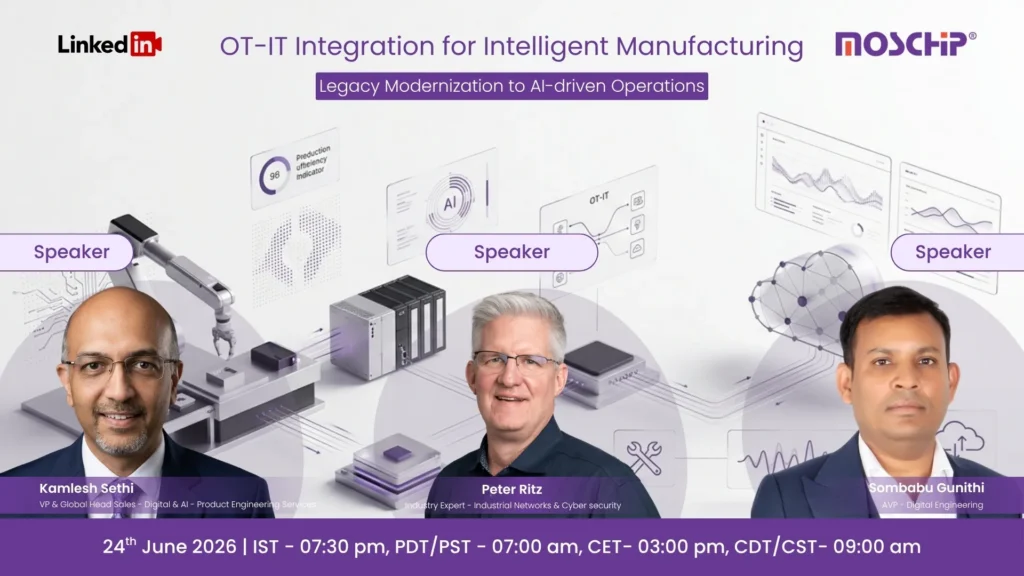
How can manufacturers transform fragmented operational data into real-time intelligence...
Today’s consumer products respond after something has happened. Your wearable tells you your heart rate is elevated.…
The wearable technology industry has undergone a drastic transformation in recent times. Starting with basic…