ProductXcelerate™ Blueprint · Wearable, Health & Elder-Care Device Makers

A wearable that looks after people. Engineered, validated, ready for yours.

A pre-validated wearable reference design with always-on sensing, on-device AI, and proactive companionship, engineered to fit your device, care model, and power budget.

NXP i.MX 8Mini

Quad A53 + M4 power split

On-device AI

Pose, speech, acoustic events

BLE · Wi-Fi · LTE

Water-resistant form factor
Product maturity path Physical Functional Connected Cognitive Agentic
Why This Exists

Wearables are the hardest consumer product to ship well. The physics make sure of it.

Health and companion wearables sit at the intersection of four engineering constraints. Solving just one isn’t enough. 

Always-on intelligence vs. a tiny battery

Continuous sensing, on-device inference, and connectivity fight for milliwatts. Without a disciplined low-power architecture, the product dies on the charger, and in reviews.

Rigid-flex, waterproofing, and thermals in 40 mm

Board design, enclosure sealing, and antenna performance in a wearable envelope is specialist hardware engineering most product teams have to learn the expensive way.

Care features that must not miss

A fall detector that misses a fall – or cries wolf nightly – destroys the entire value proposition for families and care providers. Validation depth is the product.

The Blueprint

Power, form factor, intelligence, and trust - solved together, for the wrist

A companion wearable means solving power, form factor, on-device AI, and care-grade reliability at the same time – so this blueprint solves them together. Inference pipelines are optimized for the real power envelope, acoustic fall detection is validated on-device, and speech and pose models run locally: exactly what battery life and health-data privacy both demand.

Wearable Companion Blueprint — Reference Configuration

PXB · WEAR-COMP

Hardware & EmbeddedPre-validated

The physical and firmware foundation: boards, BSPs, secure OTA, device management.

  • Processor NXP i.MX 8Mini: quad Cortex-A53 + Cortex-M4
  • Memory LPDDR4, eMMC, SPI NOR
  • Display 1.2″ MIPI-DSI
  • Wireless BLE 5.0, Wi-Fi, LTE
  • Power PMIC with ultra-low-power modes
  • Build Rigid-flex PCB, water-resistant enclosure

DigitalSky GenAIoT™Pre-validated

DigitalSky connectivity, cognition, and automation pipelines - validated with CI/test artifacts.

  • IoT Suite Secure onboarding, unified device mgmt
  • Cognitive Suite On-device EdgeAI + GenAI: pose, speech-to-text
  • EdgeAI Suite Acoustic fall/alert detection, low-light enhancement
  • Automation OTA firmware + regression bots

AgenticSky™Accelerator

Goal-driven, self-healing behaviors - integrated and validated for your product during the engagement.

  • WearableCore Proactive wellness alerts and coaching
  • Elderly-care safety net
  • Always-on contextual assistance
Use cases

Adaptable by design: hardware interfaces, software stacks, and AI models are tailored to your product while the pre-tested foundation stays intact, drawing on 100+ pre-trained, domain-aligned AI models to cut experimentation cost and model risk.

What It Powers

The next generation of companion devices this base unlocks

A pre-validated Matter-ready bridge reference design with secure onboarding, protocol bridging, and self-healing mesh networking, engineered for your product line and ecosystem. 

Elder care

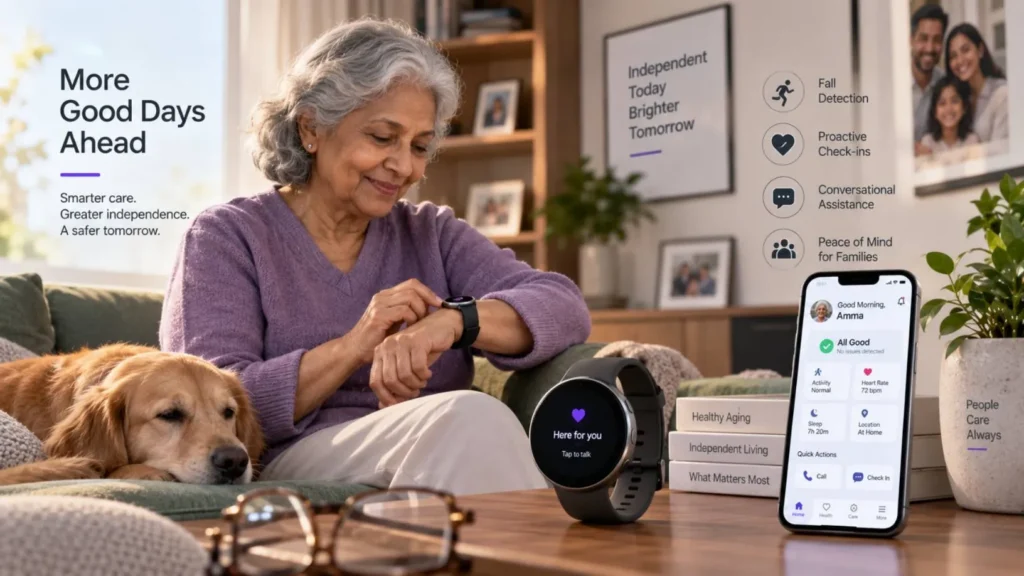
Aging-in-place companion watches

Fall detection, proactive check-ins, and conversational assistance for seniors living independently - with a safety net families can actually trust.
Health & wellness

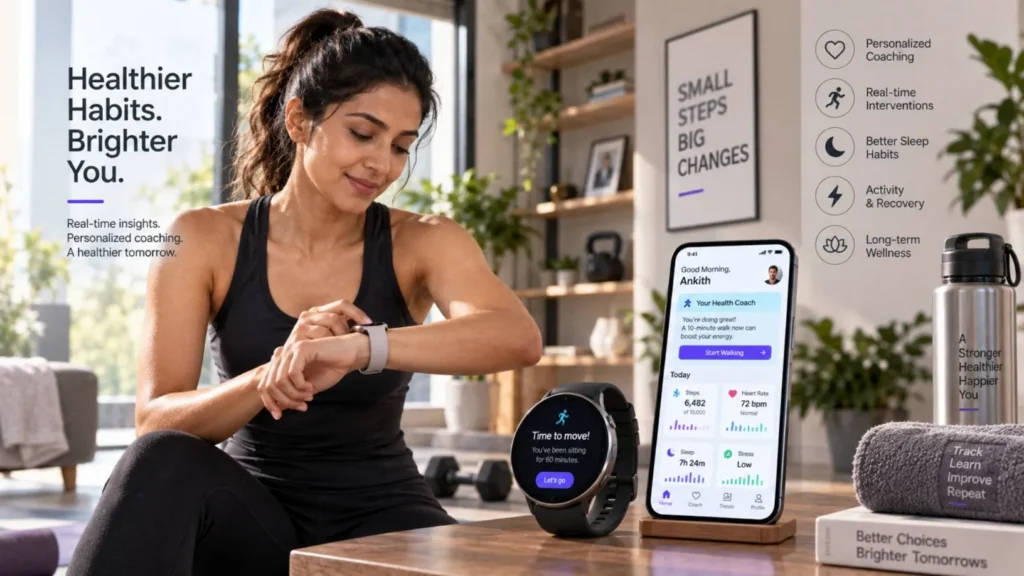
Coaching wearables that intervene, not just log

Devices that turn continuous health tracking into timely, personalized coaching - the difference between data and behavior change.
Chronic care

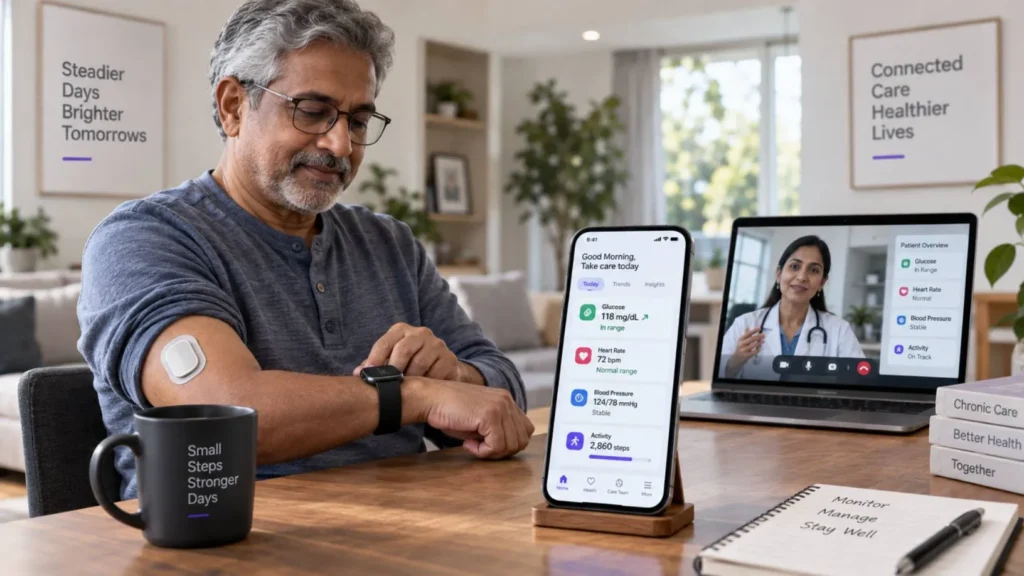
Condition-companion devices

Always-on monitoring and contextual guidance for chronic-condition management programs run by providers and payers.
Workforce safety

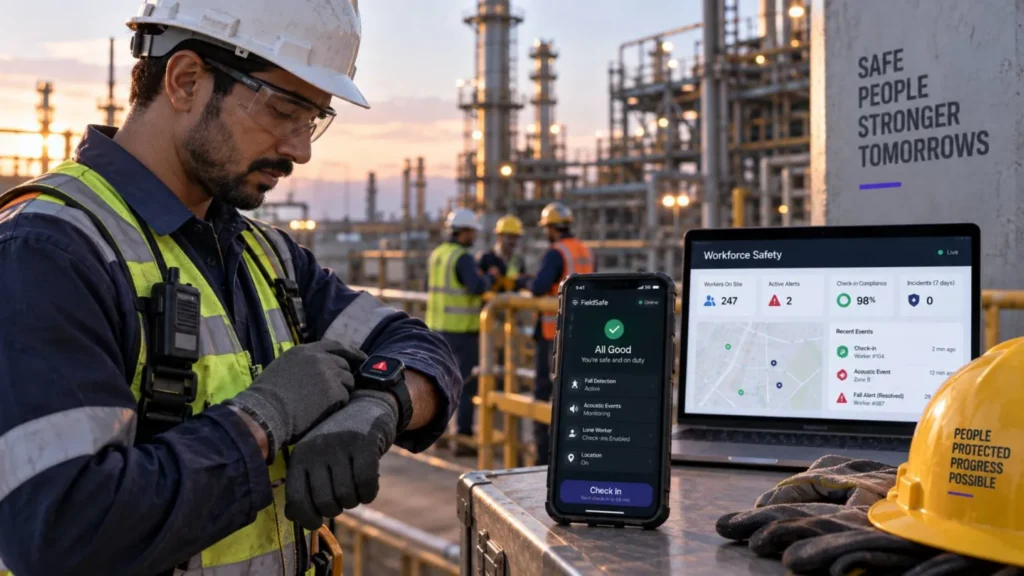
Industrial worker safety wearables

Fall and acoustic-event detection plus lone-worker check-ins for field and plant workforces - built on the same validated sensing core.

Family safety

Kids' and dependents' companion devices

Location, communication, and safety alerts in a water-resistant, LTE-connected form factor parents can rely on.
Enterprise & insurers

Commissioned wellness programs

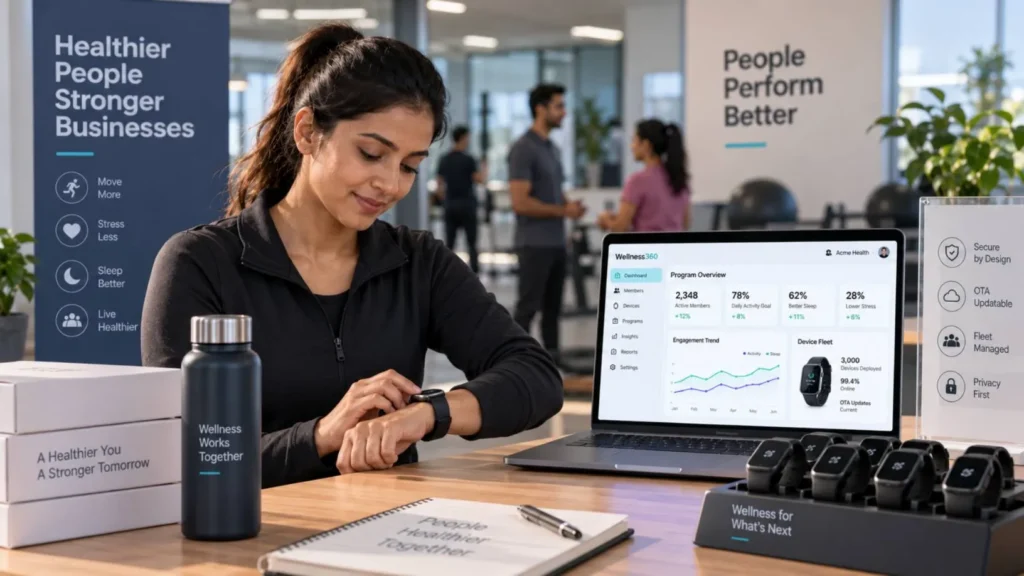
Branded companion devices for insurers and employers - fleet-managed, OTA-updatable, and privacy-sound by on-device design.

How Teams Engage

An engagement that ends in production artifacts.

Backed by 25+ years of silicon-to-systems delivery.

Blueprint walkthrough

A working session with MosChip wearable engineers: your device concept, care model, and regulatory context mapped against the reference design. You leave with a feasibility read, including a battery-life model for your configuration, whether or not you engage.

Adaptation to your product

Reference hardware, enclosure approach, and software tailored to your industrial design, sensors, and cloud. The differentiating layers are yours to define on a foundation that stays validated.

Integration & handoff

Full system integration, companionship behaviors and alert thresholds validated with your clinical or care advisors, certification prep, and handover with production-ready artifacts and sustainment playbooks.

FAQs

Questions automotive teams ask us

What do we own at the end of the engagement?

Everything handed over, the adapted hardware design, software, integrated AI models, test suites, and documentation, belongs to your product program. MosChip adapts the reference design to your IP, not the other way around, and there are no licensing or capex fees on the blueprints themselves.

Is this a medical device?

The blueprint is a wellness and companion platform. If your product targets regulated medical claims, the walkthrough scopes the additional validation and compliance work honestly, the pre-validated base shortens the path; it doesn’t skip the regulatory work.

What battery life can we expect?

It depends on your sensing duty cycle and feature set, which is why always-on tasks run on the low-power M4 core and the PMIC has ultra-low-power modes. The feasibility review models battery life for your specific configuration before you commit.

Can we use our own industrial design and sensors?

Yes. The rigid-flex reference and enclosure approach adapt to your form factor, and the sensor set is tailored during the engagement while the validated power and software core stays intact.

How quickly can we see something running?

Because the reference design already runs end to end, the first milestone is a working demonstration adapted to your requirements, not a bring-up phase. The blueprint walkthrough gives you a dated plan for your specific scope before you commit.

Start the Conversation

Have an idea for the next-gen wearable device?

Tell us who your wearable looks after. A MosChip product engineering lead will come back to schedule an architecture review.