

Modernizing Legacy Systems with Industrial IoT Solutions
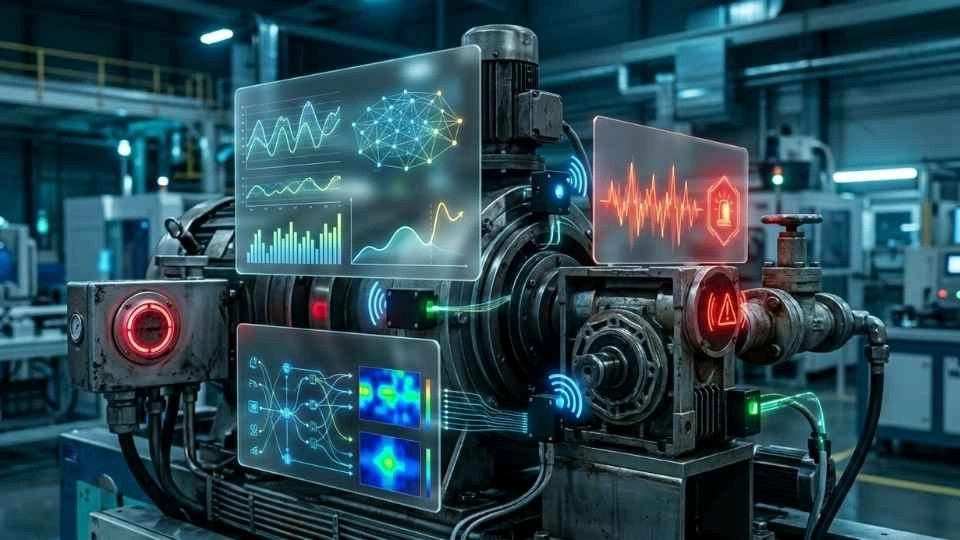
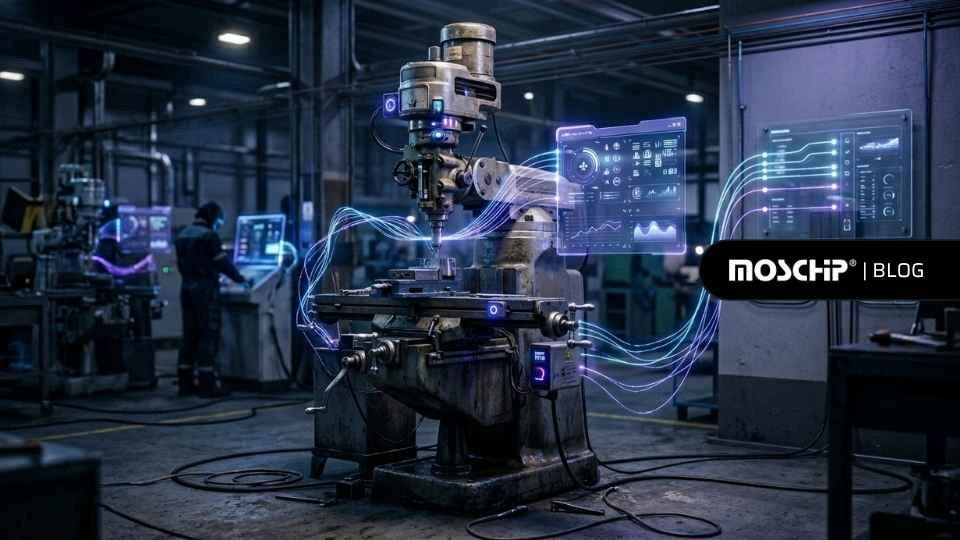
Many factories and industrial systems were built for reliable, long-lasting operations that deliver consistent quality, and still rely on decades-old machines to perform their core functions to achieve higher efficiency outcomes.
But today’s industries operate in a fast-moving environment where demand for high-quality production, faster time-to-market, and consistent reliability is increasing. Traditional systems, designed for stability rather than adaptability, struggle to keep up with evolving expectations and the growing need for technology-driven operations.
Over time, these legacy systems face natural wear and tear, heating issues, and mechanical degradation that affect performance. At the same time, they operate in isolation, creating data silos with little real-time visibility across processes.
This leads to unplanned downtime, inefficiencies, and delays in decision-making. Additionally, maintaining older systems often requires specialized skills that are becoming harder to find, widening the skill gap. Together, these challenges make it difficult for industries to scale, innovate, and stay competitive. To mitigate such challenges, industries needed to shift their legacy systems to modernize approaches.
Now, let us understand how Industrial IoT helps production lines to accelerate production.
Industrial IoT enables industries to transform existing production lines without replacing their core machinery. By adding sensors, edge devices, and connectivity layers, traditional equipment can start generating real-time operational data. This allows manufacturers to monitor machine health, track performance, and identify inefficiencies across the production cycle without disrupting ongoing operations.
With continuous data flow, production teams gain better visibility into processes that were previously hidden within isolated systems. This helps in detecting early signs of wear, overheating, or performance drops, enabling timely maintenance, and reducing unexpected downtime. As a result, production becomes more stable, predictable, and efficient, directly improving output quality and consistency.
Industrial IoT is also about connecting different machines and systems into a unified ecosystem. This integration removes data silos and allows information to flow seamlessly across departments such as production, quality, and operations. Decision-makers can access actionable insights through dashboards and analytics, helping them optimize workflows, reduce waste, and improve resource utilization.
Additionally, IoT-driven insights support faster decision-making and continuous improvement. Production lines can be fine-tuned based on actual performance data rather than assumptions. This not only enhances productivity but also helps industries respond quickly to changing market demands, making existing infrastructure more agile and future ready.
Now, let us first understand how Predictive Maintenance will uplift the production line efficiently.
Predictive maintenance uses real-time data from connected machines to identify potential failures before they occur. By analyzing performance patterns, you can get insights into potential failures that might occur and take required actions (repairs, maintenance, part replacement) without disrupting production.
This approach minimizes unplanned downtime, extends equipment life, and ensures continuous production, improving overall uptime and operational efficiency across the production line to stay ahead in market competition.
Predictive Maintenance in Industrial Automation
As we have seen in predictive maintenance, the data-driven approach is one of the important aspects for modernizing industrial systems. With Industrial IoT, production data is continuously collected and transformed into meaningful insights. Instead of relying on assumptions, industries can make decisions based on real-time performance metrics.
This enables better process optimization, quality control, and resource planning. As data flows across systems, organizations gain a clearer view of operations, helping them improve efficiency, reduce waste, and drive consistent, data-driven outcomes.
As systems become connected, the need for secure and controlled data flow becomes critical. Industrial IoT enables structured connectivity by standardizing communication between devices and platforms. This allows industries to implement centralized monitoring, controlled access, and secure data exchange. With better visibility and defined architectures, organizations can reduce risks, ensure system integrity, and confidently scale connected operations without compromising reliability.
One of the biggest barriers to modernizing legacy industrial systems is the risk of downtime. Production environments cannot afford shutdowns for large‑scale upgrades, which is why rip‑and‑replace strategies are often impractical. Organizations need a way to modernize gradually, without interrupting ongoing operations or compromising productivity.
Industrial IoT–based modernization can be implemented through a phased, non‑disruptive approach. Systems continue to run as‑is while new layers are added alongside existing infrastructure, allowing modernization to progress without planned shutdowns or operational risk.
This step‑by‑step approach reduces capital expenditure, preserves existing investments, and provides long‑term flexibility. As each phase is implemented, legacy assets progressively evolve into intelligent, future‑ready systems that can scale with changing business needs.
To know more about MosChip’s capabilities, drop us a line, and our team will get back to you.

Darshil is a Marketing professional at MosChip creating impactful techno-commercial writeups and conducting extensive market research to promote businesses on various platforms. He has been a passionate marketer for more than four years and is constantly looking for new endeavors to take on. When He’s not working, Darshil can be found reading and playing guitar.

Nowadays, industries are increasingly relying on real-time data, which is driving the demand for systems that can collect data and…
Predictive maintenance is a key component of the Industrial Internet of Things (IIoT), shifting from reactive fixes and fixed schedules to proactive…
Engineering teams building connected products spend a significant amount of time solving the same foundational problems…

Mobile apps are no longer just companion tools for connected devices. They have become the control layer…
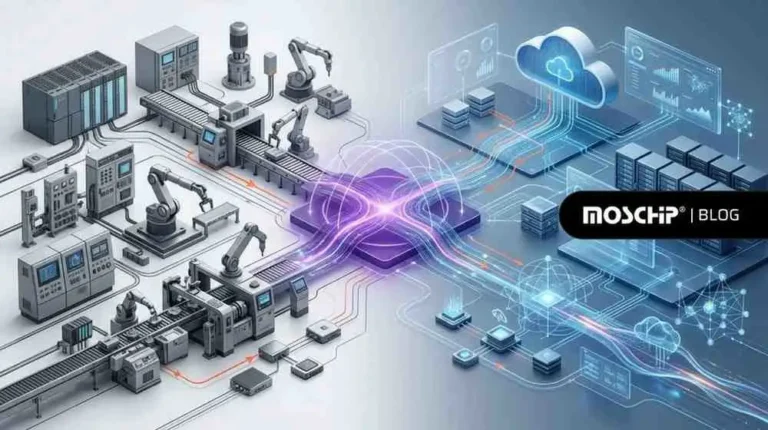
Many organizations across the world have implemented Industry 4.0; however, most of them have not seen complete success…
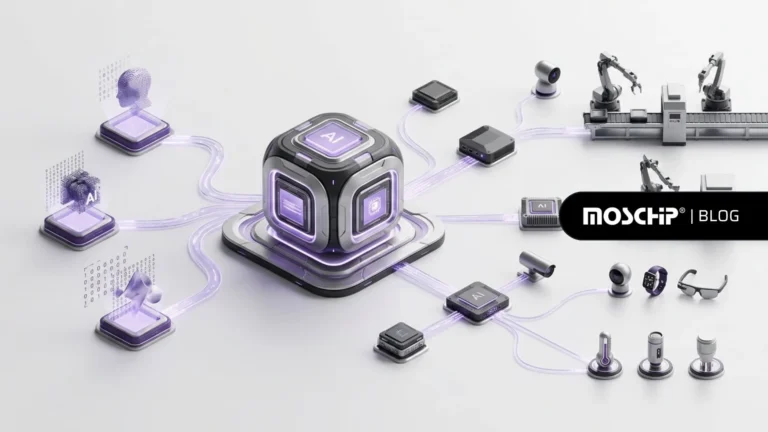
Industrial automation and digital manufacturing are evolving rapidly as Edge AI models are reducing…
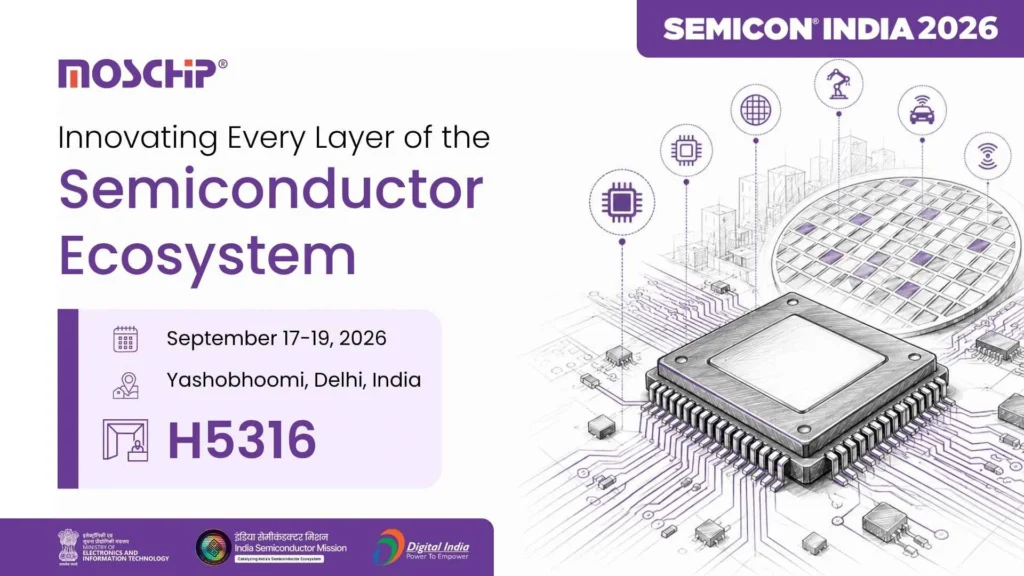
Join us at India’s premier semiconductor ecosystem event – SEMICON India 2026 to explore our comprehensive...

How can manufacturers transform fragmented operational data into real-time intelligence...

Today’s consumer products respond after something has happened. Your wearable tells you your heart rate is elevated.…
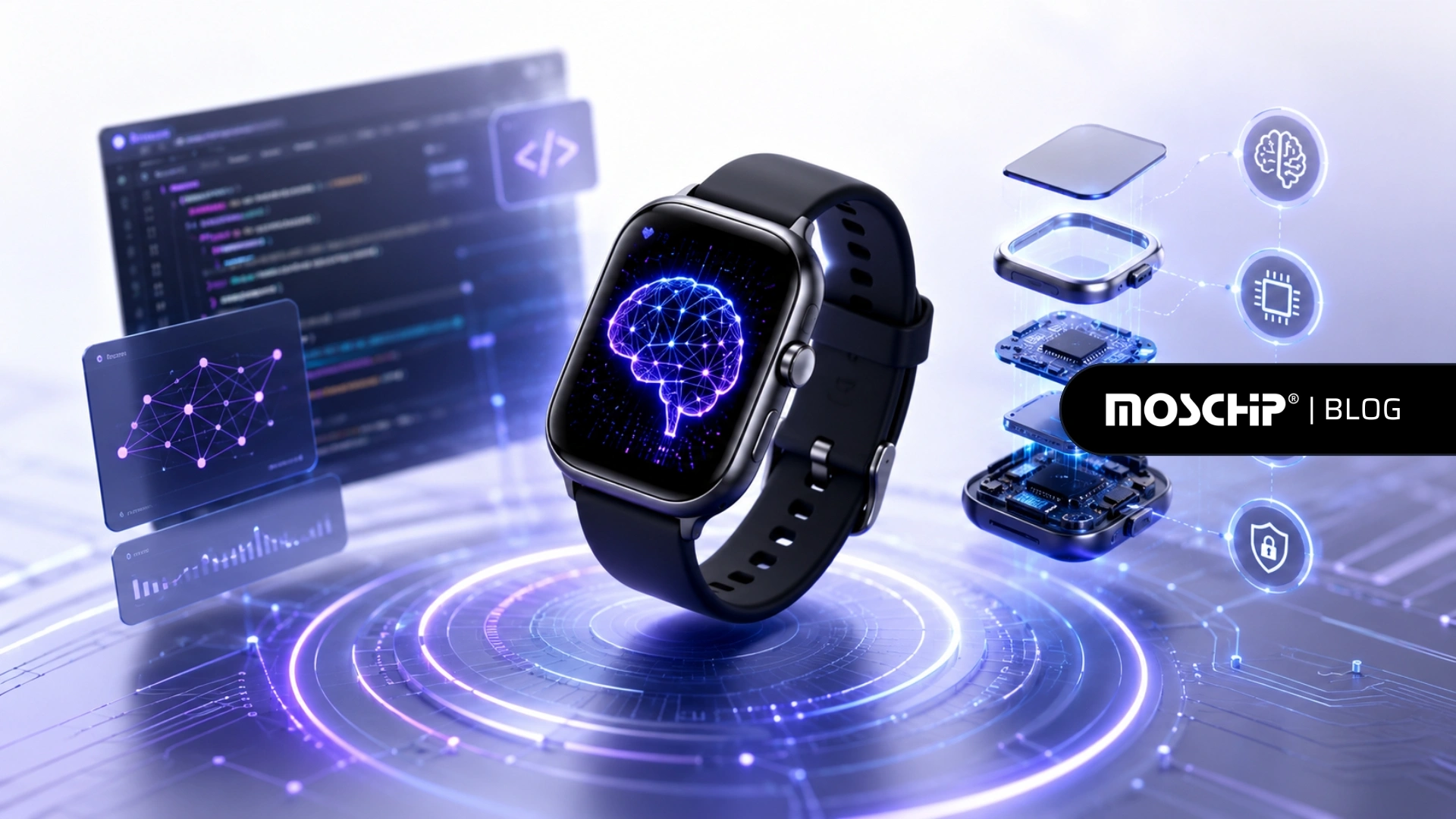
The wearable technology industry has undergone a drastic transformation in recent times. Starting with basic…