


In FPGA design, achieving timing closure is a crucial step that ensures a design meets its performance and functional requirements. Timing closure involves optimizing a design to ensure that a l timing constraints, such as setup and hold times, are met under various operational conditions. Achieving timing closure early in the design process is extremely beneficial as it minimizes design iterations, reduces development time, and improves design reliability. Below is a detailed approach to early FPGA timing closure

Android has evolved beyond an operating system into a foundation for building connected, intelligent...
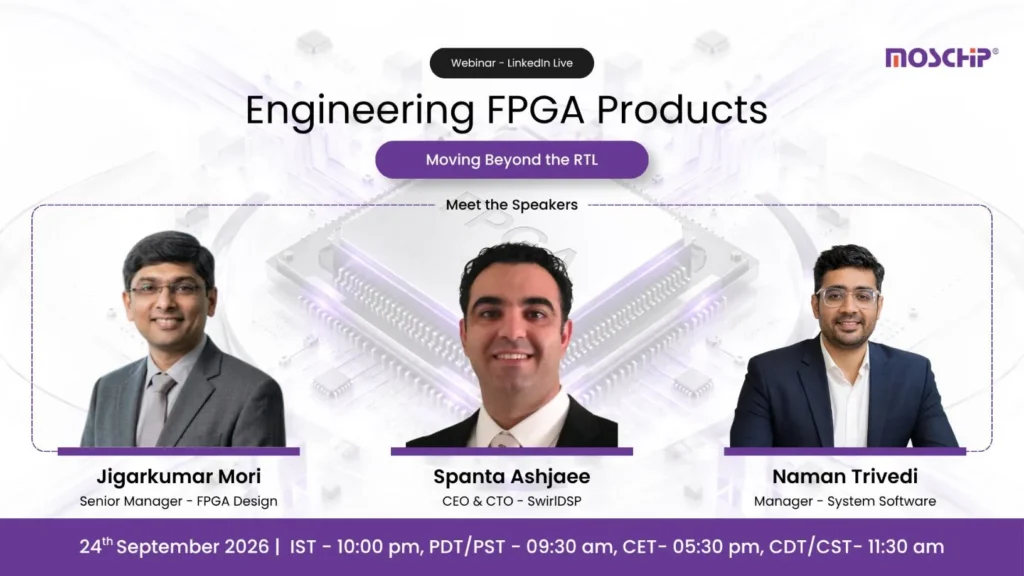
FPGA products are no longer just about getting the RTL right. Building a production-ready FPGA platform...

Today’s consumer products respond after something has happened. Your wearable tells you your heart rate is elevated.…
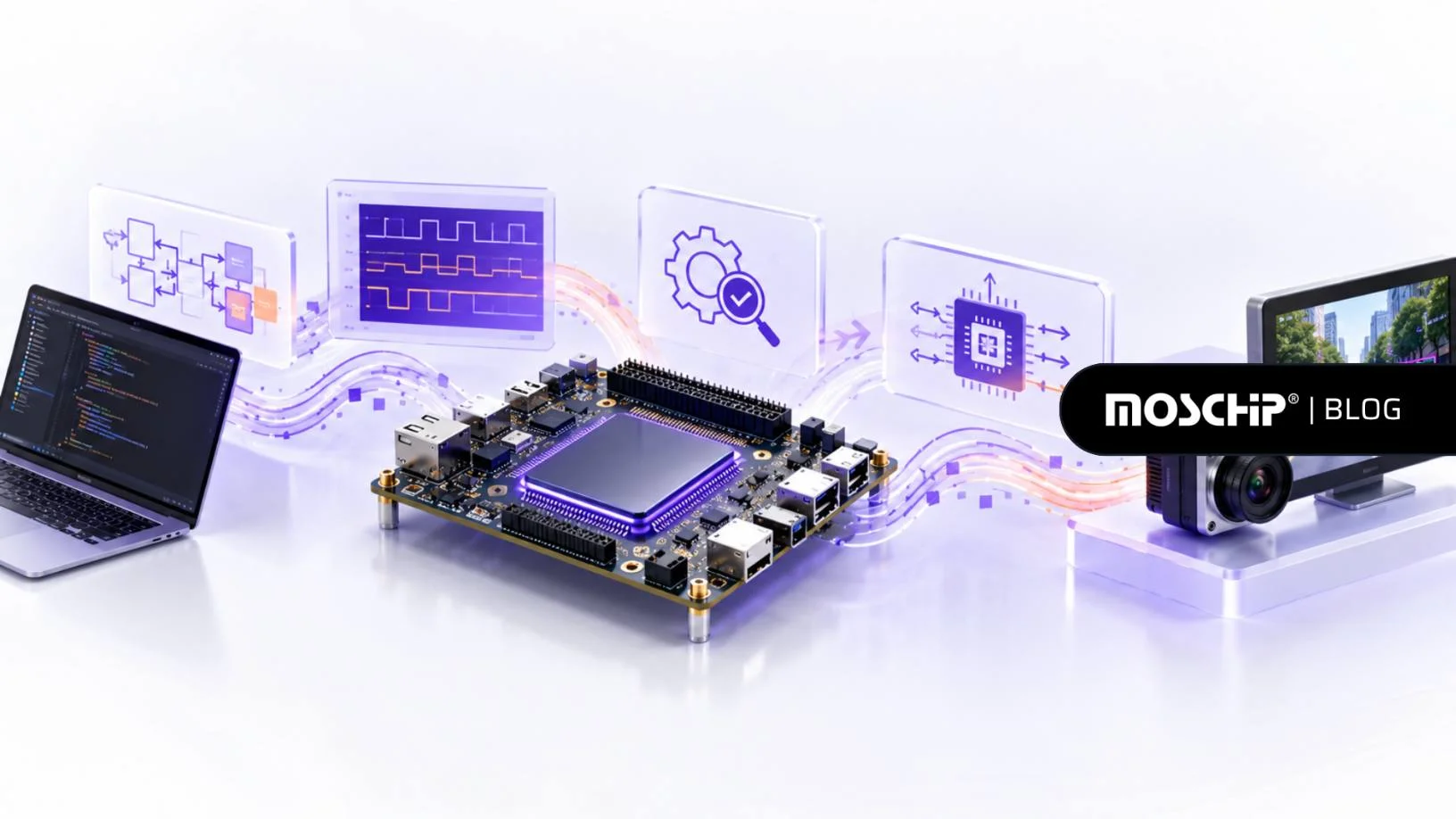
Designing an FPGA-based product can look straightforward when working within the FPGA development environment…