Agentic Vision AI: Transforming Video into Goal-Driven Intelligence

Why VisionCore?

Modern camera systems generate enormous amounts of video data, alerts, and detections.

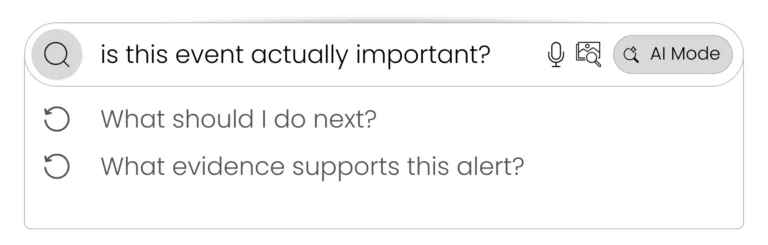
But operators are still left asking:

Traditional vision systems detect objects and trigger alerts. They do not reason about the situation. VisionCore is designed to turn raw visual signals into contextual understanding, guided actions, and explainable outcomes.

What VisionCore Enables?

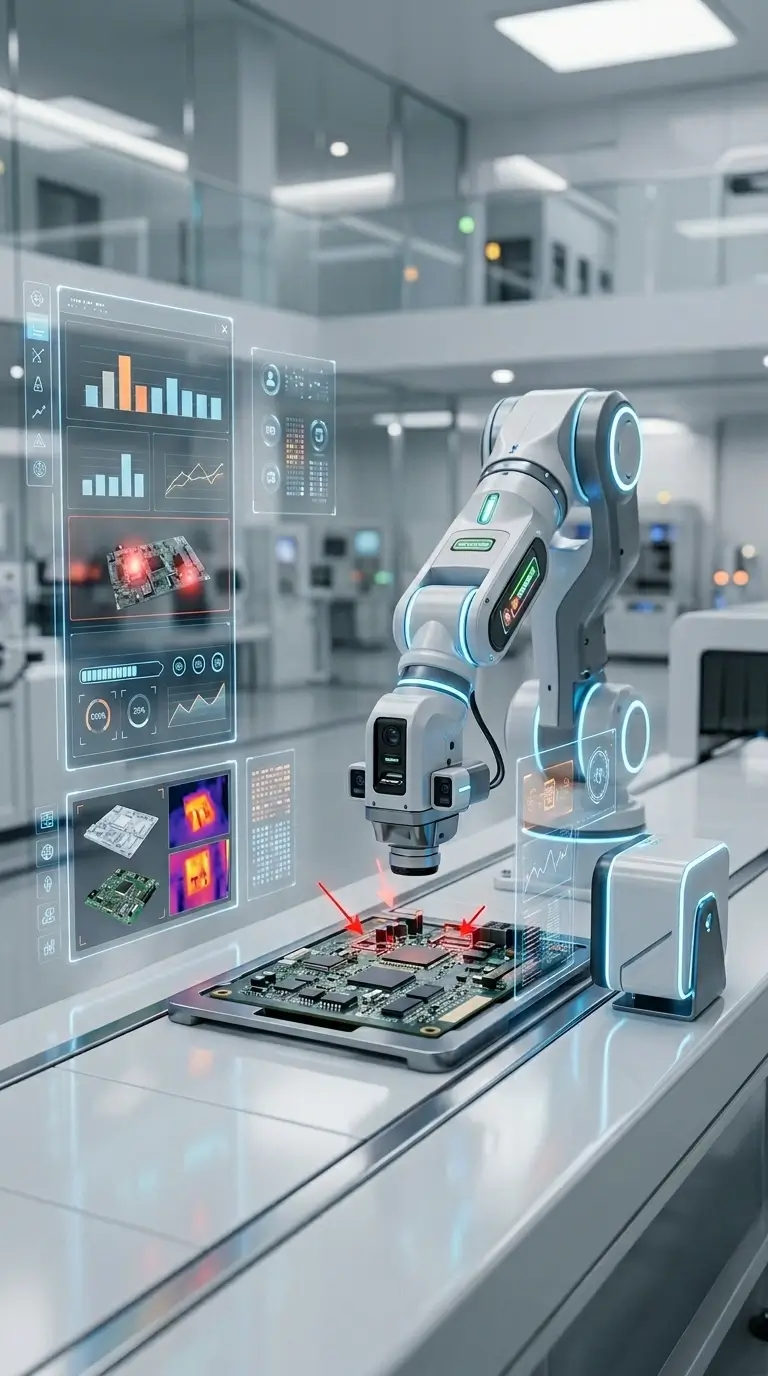
Turns visual signals into contextual findings, recommended actions, and explainable evidence.

Interprets events across time, zones, and camera feeds rather than isolated frames.

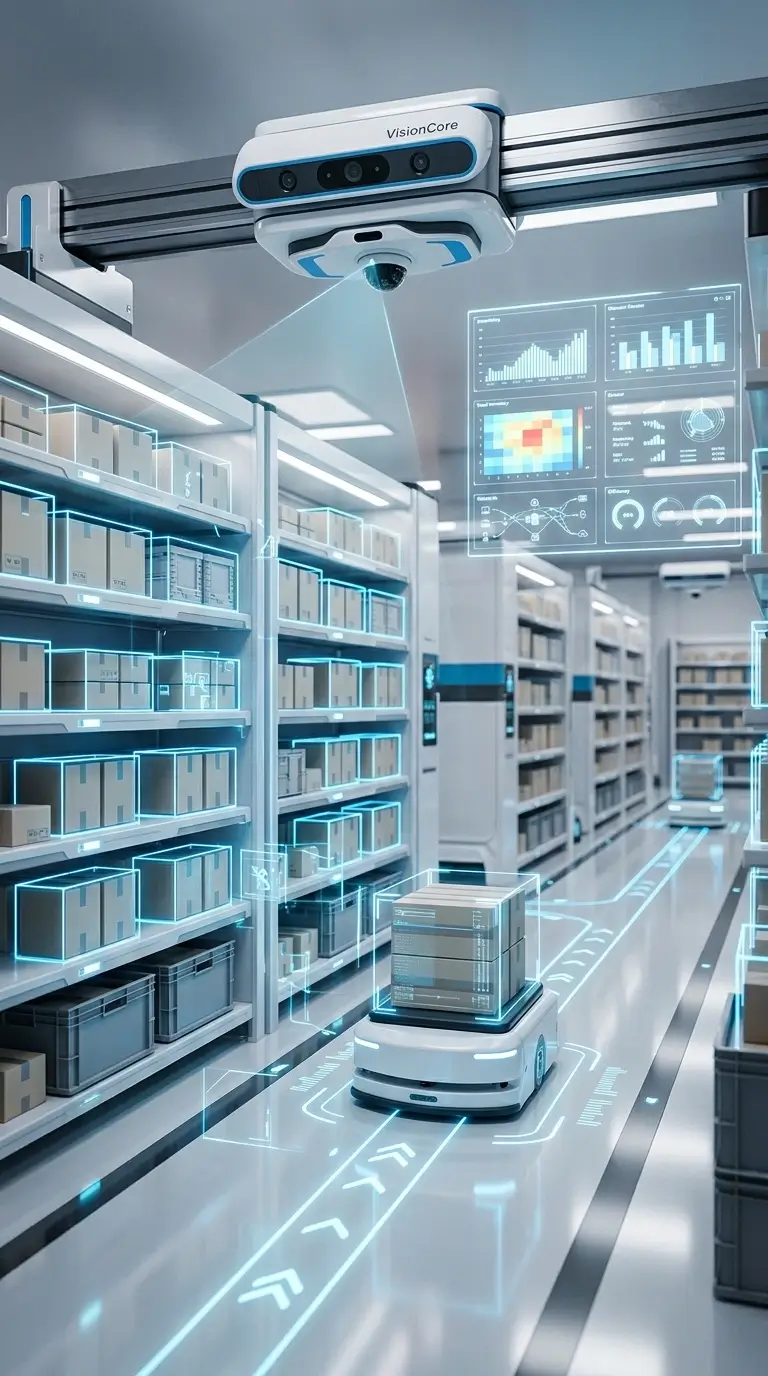
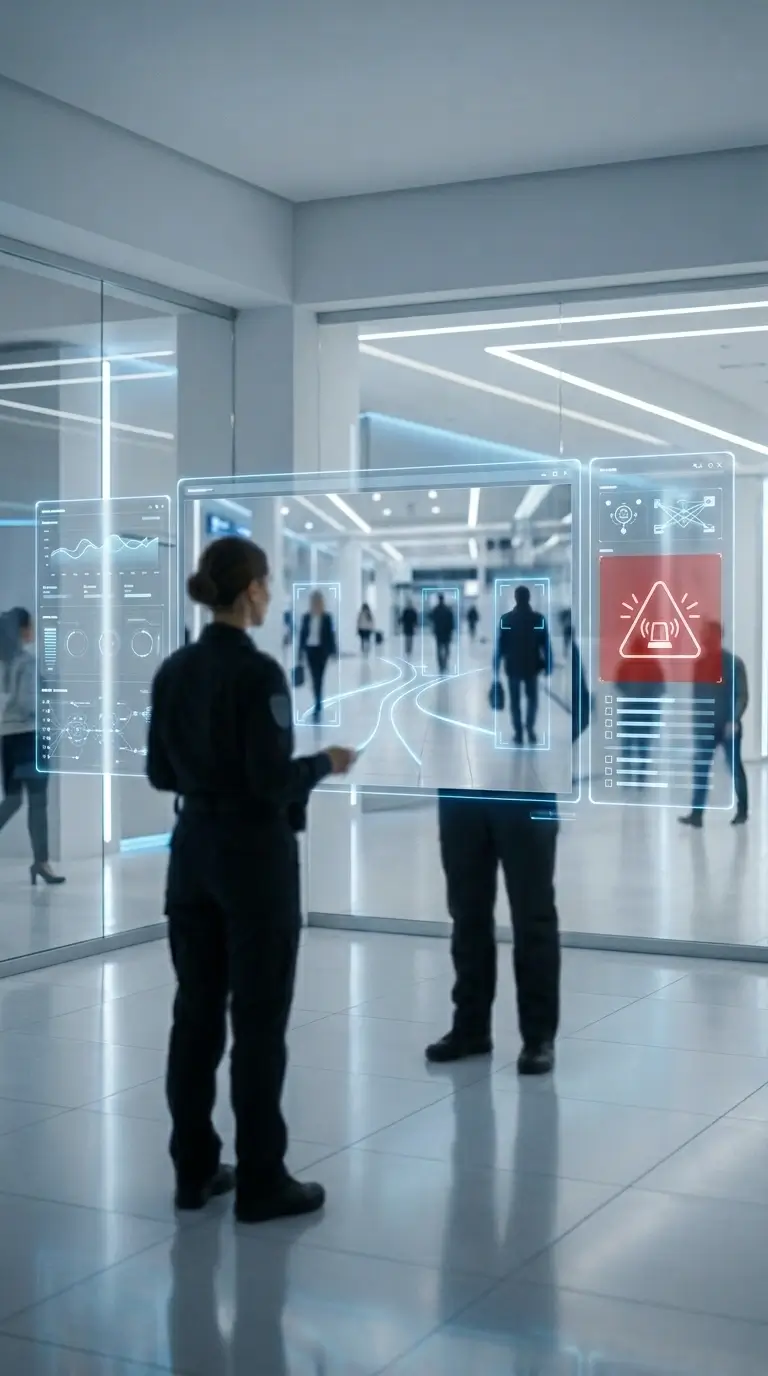
Identifies emerging risks such as quality deviations, safety hazards, or suspicious activity.

Generates annotated evidence, reasoning summaries, and recommended next steps.

Models and behaviors improve with feedback, environmental changes, and new policies.

How It Works?

VisionCore operates through a structured agentic loop:

Perceive → Interpret → Decide → Engage (PIDE Loop)

Perceive

Capture visual signals from cameras across lines, rooms, zones, and facilities.

Interpret

Understand objects, behaviors, anomalies, and context across time and location.

Decide

Evaluate events against goals and policies to determine the appropriate response.

Engage

Generate alerts, evidence, annotations, and guided actions for operators.

VisionCore is built to pursue outcomes such as quality assurance, operational safety, and incident resolution not just produce detections.

How VisionCore Delivers Outcomes?

VisionCore combines distributed intelligence across the vision stack.

  • Real-time perception and event detection
  • Motion and object recognition
  • Immediate response for time-sensitive events
  • Higher fidelity object detection and tracking
  • Multi-camera correlation
  • Attribute extraction and deeper inference
  • Cross-camera reasoning and scene correlation
  • Historical pattern analysis
  • Long-term model improvement
  • Converts visual findings into clear explanations
  • Generates structured incident summaries
  • Supports natural-language queries

Specialized agents manage perception, context analysis, policy evaluation, and explanation ensuring responses are consistent, explainable, and scalable.

  • On-device-first: key behaviors run locally
  • Hybrid: device handles real-time; cloud improves learning and personalization
  • Policy-driven sharing: role-based views and configurable governance

Use Cases

Why VisionCore for OEMs?

Business Value

  • Differentiate products with agentic visual intelligence
  • Enable new service layers such as incident insights and investigation tools
  • Reduce operator overload through contextual guidance

Engineering Value

  • Accelerated time-to-market with reusable vision behaviors
  • Structured Fabric approach using P → I → D → E
  • Flexible deployment across edge, GPU, and cloud architectures
FAQs
Is VisionCore only for surveillance systems?

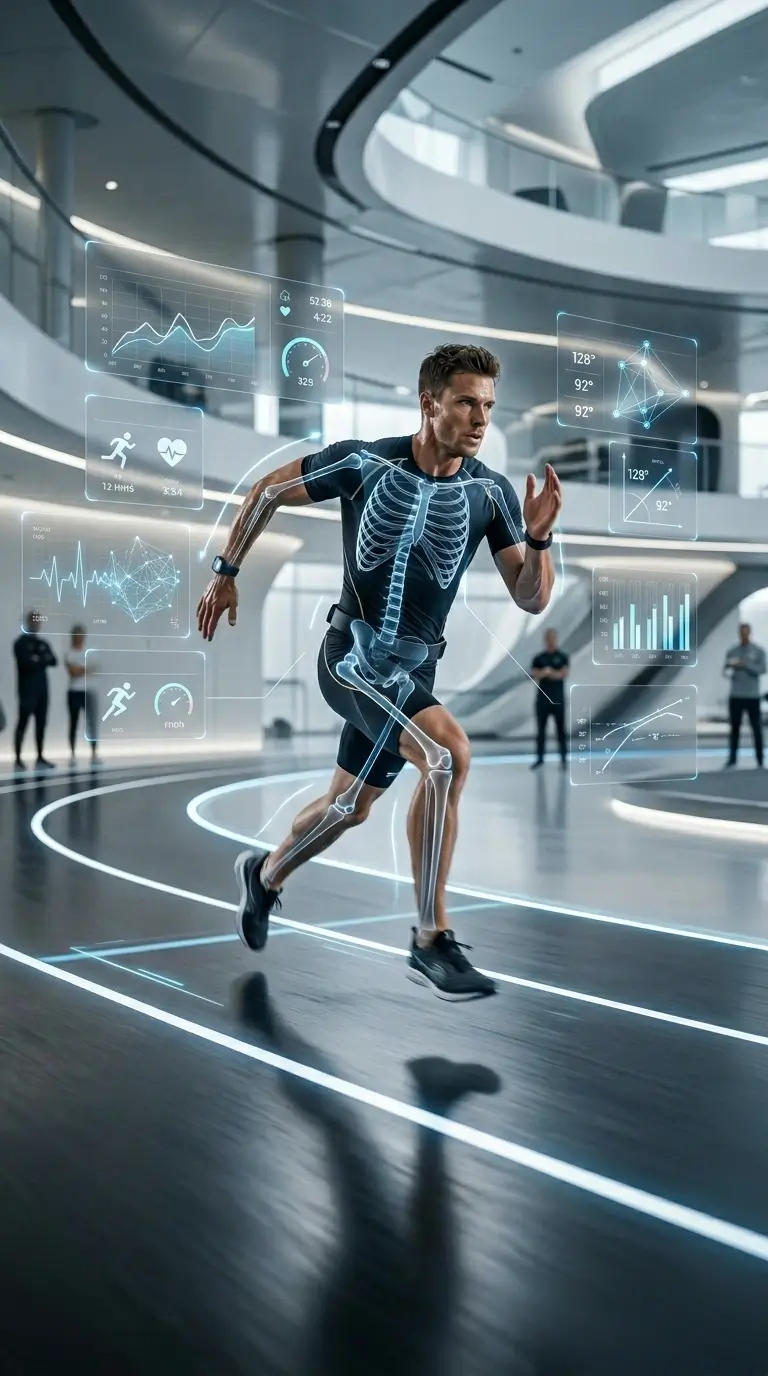
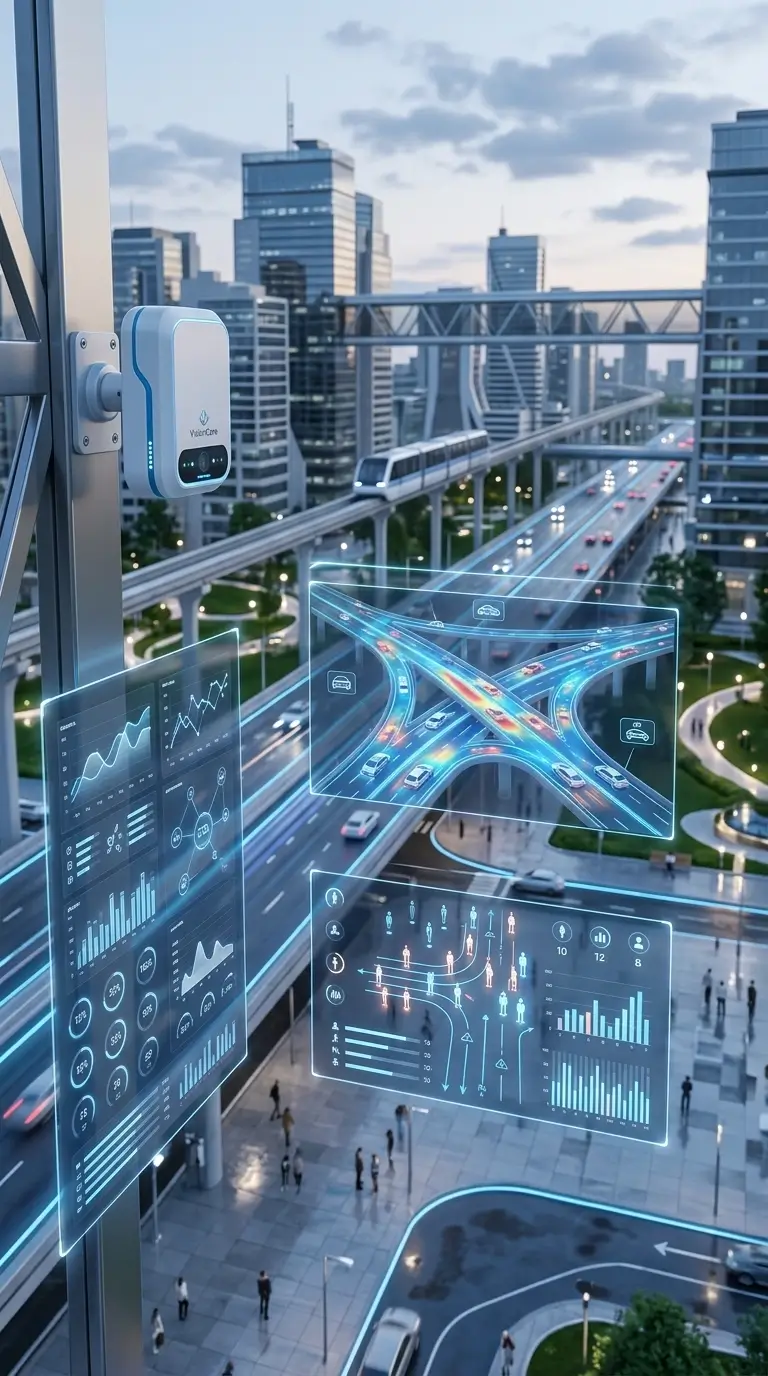
No. VisionCore supports a wide range of camera-driven products including industrial inspection, retail monitoring, healthcare environments, sports analytics, and smart infrastructure systems.

Does VisionCore require GPUs everywhere?

Not really! Lightweight models can run on edge devices, with optional GPU acceleration for advanced workloads.

How is this different from traditional video analytics platforms?

In short, traditional platforms detect events. VisionCore interprets context, decides actions, and explains outcomes. If you would like to know more, get in touch with us.

Ready to build vision-enabled products that reason about what they see?